
.svg)
.jpeg)
“I’ve Already Made My Dream Come True: I’m Going to Play Soccer in America”
Read more
.svg)

College sports recruiting is the process of finding a college where your sport, academic plans and finances fit. Start by checking the rules for your intended association and division, then prepare your profile, research programs, contact coaches and compare written offers. Recruitment, university admission, eligibility certification and financial aid are separate steps.

College sports recruiting is a highly competitive and multi-faceted process that involves the identification of talented athletes who have the potential to contribute to a college sports team. This process typically starts during a student-athlete's high school years, although some coaches may begin scouting athletes even earlier.
During the college sports recruiting process, coaches evaluate a range of factors such as an athlete's skill level, athletic potential, academic achievements, and character traits. They aim to build a well-rounded team that not only excels in their respective sport but also represents the values and ethos of their college or university.
College sports recruiting is of paramount importance for both student-athletes and college athletic programs. For student-athletes, it provides a pathway to continue playing their sport at a higher level while pursuing higher education. It offers opportunities for personal growth, skill development, and exposure to competitive environments.
For college athletic programs, recruiting talented athletes is crucial for maintaining and improving the competitiveness of their teams. Successful recruiting efforts can lead to conference championships, national recognition, and increased visibility for the college or university. Moreover, a thriving athletic program often enhances school spirit, alumni engagement, and overall campus culture.
The college sports recruiting process can be complex and varies depending on the sport, division level, and individual circumstances. However, there are some general steps and guidelines that most student-athletes can follow:
Recruiting rules vary by sport, division and academic year. Check the current calendar and communication rules before arranging coach contact, visits or evaluations. A coach’s ability to respond may be restricted, so silence alone does not establish lack of interest.
The college sports recruiting landscape is constantly evolving, and it's essential for student-athletes to stay informed, proactive, and adaptable throughout the process. In the following sections, we will delve deeper into the various aspects of college sports recruiting, including academic and athletic preparation, contacting coaches, and navigating scholarship opportunities.
Before embarking on the college sports recruiting journey, it is essential for student-athletes to adequately prepare themselves both academically and athletically. This section will provide insights and guidance on understanding NCAA and NAIA eligibility requirements, academic preparation, and the importance of athletic development.
The NCAA and NAIA have specific eligibility criteria that student-athletes must meet to compete at the collegiate level. These requirements ensure that student-athletes maintain a balance between academics and athletics. Here are some key points to consider:
NCAA requirements depend on the division. Division I and II assess initial academic eligibility through their own graduation, core-course and GPA requirements. They no longer require SAT or ACT scores for initial eligibility for students first enrolling full time on or after August 1, 2023. Universities may still have separate admissions or scholarship testing requirements. Division III institutions set their own academic admissions standards. Athletics eligibility and admission are separate checks.
NAIA freshman academic eligibility has alternative routes. A final high-school GPA of at least 2.30 can satisfy the freshman academic standard; another route requires two of three criteria involving GPA, class rank and SAT/ACT scores. Testing is therefore not universally required. International credentials and overall eligibility require the appropriate NAIA review.
It is crucial for student-athletes to familiarize themselves with the specific eligibility requirements of the NCAA or NAIA division they wish to compete in. By understanding and fulfilling these requirements, student-athletes can position themselves as strong candidates for college sports recruiting.
Academic excellence is a fundamental aspect of college sports recruiting. Coaches seek athletes who can excel both on the field and in the classroom. Here are some strategies for academic preparation:
A high GPA demonstrates a student-athlete's commitment to academic success. It is important to prioritize studies, manage time effectively, seek help when needed, and strive for excellence in coursework. Additionally, taking challenging classes and pursuing advanced courses can showcase academic potential and dedication to personal growth.
For NCAA Division I and II, check the required core courses and the rules that apply to your school system. A local GPA or course title does not automatically establish NCAA eligibility. International academic records need the appropriate review. Do not apply the NCAA core-course framework to NAIA programs; check NAIA requirements separately.
Check whether each university requires SAT/ACT results, English-language testing or other admissions evidence. NCAA Division I and II do not require SAT/ACT scores for initial eligibility for the enrollment dates described above. NAIA has alternative academic routes, so a test is not required in every case. Confirm the applicable route before booking an exam solely for athletics eligibility.
If student-athletes face academic challenges, they should not hesitate to seek support from teachers, tutors, or academic advisors. Many high schools offer resources such as study groups, tutoring programs, and academic workshops to help students succeed. By taking advantage of these opportunities, student-athletes can strengthen their academic profile.
In addition to academic preparedness, student-athletes must focus on honing their athletic skills and preparing for the demands of college sports. Here are some key aspects of athletic preparation:
Student-athletes should consider seeking specialized training and coaching in their respective sports. Working with experienced coaches and trainers can help athletes improve their skills, enhance their performance, and develop a deeper understanding of game strategies and techniques.
Physical fitness is crucial for success in college sports. Athletes should focus on building strength, endurance, and agility through regular strength and conditioning workouts. A well-rounded training program that includes cardiovascular exercises, weightlifting, flexibility training, and injury prevention exercises can significantly enhance performance and reduce the risk of injuries.
Competing in high school sports, club teams, and local leagues provides valuable opportunities for student-athletes to showcase their abilities and gain exposure. Regular participation in competitive events helps athletes refine their skills, develop a competitive mindset, and gain invaluable experience that college coaches seek in potential recruits.
College sports require mental resilience and the ability to perform under pressure. Student-athletes should focus on developing mental toughness, goal-setting strategies, visualization techniques, and stress management skills. Engaging in sports psychology programs or working with mental performance coaches can provide athletes with the necessary tools to thrive in high-pressure situations.
By focusing on both academic and athletic preparation, student-athletes can position themselves as strong candidates for college sports recruiting. The next section will delve into the intricacies of navigating the college sports recruiting process, including building a target list of colleges and universities and creating an impressive sports resume and highlight reel.
Navigating the college sports recruiting process can be a complex and challenging endeavor for student-athletes. In this section, we will explore the key steps involved in the process, including creating a target list of colleges and universities, building a sports resume and highlight reel, and effectively contacting coaches.
Creating a target list of colleges and universities is a crucial step in the college sports recruiting process. This list will help student-athletes focus their efforts and identify the institutions that align with their academic, athletic, and personal goals. Here are some factors to consider when creating a target list:
Consider the academic programs and majors offered by each institution. Ensure that they align with your academic interests and long-term career goals. Look into the reputation and rankings of the academic departments that interest you.
Evaluate the athletic programs at each college or university. Consider factors such as the level of competition, team culture, coaching staff, and the opportunities for growth and development within the program. Assess whether your athletic abilities and aspirations align with the expectations of the program.
Consider the location and campus environment that will best suit your needs and preferences. Think about factors such as climate, proximity to home, urban or rural setting, and the overall campus culture. It's important to feel comfortable and happy in your college environment.
Take into account the financial aspects of attending each institution. Research the availability of scholarships, grants, and financial aid packages. Consider the affordability of tuition, room and board, and other associated expenses.
Consider the size of the institution and the student-to-faculty ratio. Think about whether you prefer a smaller, more intimate setting or a larger, bustling campus. Research the extracurricular activities, clubs, and organizations that are available to students.
By carefully considering these factors and conducting thorough research, student-athletes can create a target list of colleges and universities that align with their academic and athletic aspirations.
Building a comprehensive sports resume and highlight reel is essential for catching the attention of college coaches. These tools will showcase your athletic abilities, achievements, and potential to college recruiters. Here's how you can create an impressive sports resume and highlight reel:
By creating a well-crafted sports resume and highlight reel, student-athletes can effectively capture the attention of college coaches and make a strong impression during the recruitment process.
Contacting college coaches and attending showcases and camps are crucial steps in the college sports recruiting process. These activities provide opportunities to establish connections, showcase your skills, and gain exposure to college coaches. Here's how to approach these aspects:
Use the current recruiting rules for the program you are contacting. A personal introduction or interest from a coach is not an offer, a roster guarantee or admission. Keep track of confirmed next steps and who is responsible for each one.
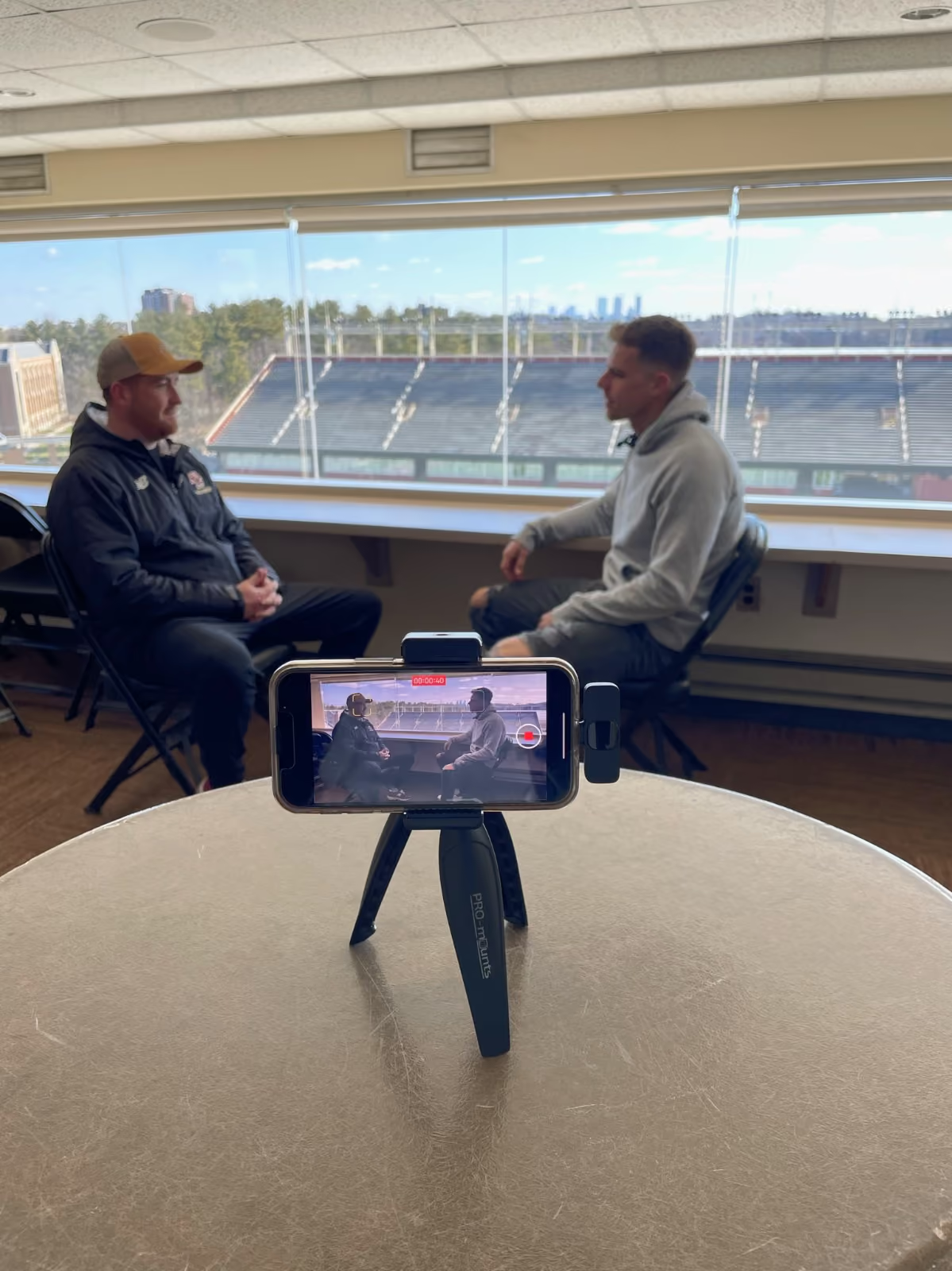
By proactively contacting coaches and attending showcases and camps, student-athletes can increase their visibility and maximize their chances of being recruited by college programs.
In the next section, we will explore the importance of high school coaches in the college sports recruiting process and discuss strategies for showcasing your skills and abilities to attract the attention of college coaches.
Getting noticed by college coaches is a critical step in the college sports recruiting process. In this section, we will explore the role of high school coaches, strategies for showcasing skills and abilities, and the importance of attending college showcases and tournaments.
High school coaches play a vital role in the college sports recruiting process. They are often the first point of contact for college coaches seeking talented student-athletes. High school coaches can provide valuable insights, recommendations, and support to help student-athletes navigate the recruiting journey. Here's how high school coaches contribute to the process:
High school coaches play a crucial role in developing and refining the skills of student-athletes. They provide training sessions, practice drills, and game strategies that help athletes improve their performance. Coaches also offer guidance on conditioning, nutrition, and injury prevention, ensuring that student-athletes are physically prepared for the demands of college sports.
College coaches often rely on high school coaches for evaluations and recommendations of potential recruits. High school coaches have firsthand knowledge of athletes' abilities, work ethic, and character. They can provide detailed assessments and recommendations that carry weight in the eyes of college recruiters.
High school coaches serve as mentors and support systems for student-athletes. They provide guidance, encouragement, and motivation throughout the recruiting process. Coaches offer advice on managing the demands of academics and athletics, handling pressure, and making informed decisions about college options.
To maximize the support of high school coaches, student-athletes should maintain open lines of communication, seek their guidance, and be receptive to their advice. High school coaches can provide valuable insights and connections that can significantly impact the college sports recruiting journey.
To capture the attention of college coaches, student-athletes must showcase their skills and abilities effectively. Here are some strategies to consider:
Perform at a high level during games and competitions. College coaches often attend matches or tournaments to evaluate potential recruits. Showcasing consistent skill, athleticism, and competitiveness during these events can significantly enhance your chances of being noticed.
Maintain accurate and comprehensive statistics of your performances. Track goals, assists, points scored, rebounds, or any relevant statistics that demonstrate your impact on the game. Highlight individual achievements such as MVP awards, All-Conference selections, or records broken.
Record individual workouts or training sessions to showcase your skills. Focus on demonstrating technical abilities, athleticism, and game-specific drills. These videos can be shared with college coaches to provide a more comprehensive view of your capabilities.
Display a positive attitude, sportsmanship, and leadership qualities on and off the field. College coaches not only seek talented athletes but also individuals who exhibit strong character and can positively contribute to their teams and campus community.
Participate in college showcases and tournaments that attract college coaches. These events bring together talented athletes from various high schools and provide an opportunity to compete against top-level competition. Attending such events increases visibility and exposes student-athletes to a wider range of college programs.
College showcases and tournaments are crucial for getting noticed by college coaches. These events bring together talented student-athletes, college recruiters, and scouts in a competitive environment. Here's why attending showcases and tournaments is vital:

College showcases and tournaments attract college coaches from various institutions. Participating in these events gives student-athletes an opportunity to showcase their skills directly in front of recruiters. It allows coaches to evaluate talent, gauge competitiveness, and identify potential recruits.
Attending showcases and tournaments provides a platform to compete against high-caliber athletes from different regions. The level of competition and exposure to new playing styles can help student-athletes elevate their own game and gain valuable experience.
Showcases and tournaments create networking opportunities for student-athletes to interact with college coaches, scouts, and other athletes. Engaging in conversations, building relationships, and exchanging contact information can lead to future communication and potential recruitment opportunities.
Participating in showcases and tournaments exposes student-athletes to high-intensity games and different coaching styles. It allows athletes to receive feedback from college coaches, scouts, and evaluators. This feedback can help identify areas for improvement and guide future training efforts.
Attending college showcases and tournaments can significantly enhance a student-athlete's visibility and increase the likelihood of being recruited by college programs. It is important to research and identify reputable events that align with your sport and aspirations.
In the next section, we will explore the college scholarship and recruitment process, including understanding financial aid options, communicating with college coaches, and making the final decision of choosing the right college.
The college scholarship and recruitment process is a critical phase in the college sports journey. In this section, we will explore the intricacies of understanding college scholarships and financial aid, communicating with college coaches, and making the final decision of choosing the right college.
College scholarships and financial aid can significantly impact a student-athlete's ability to afford a college education while participating in their chosen sport. Here are some key aspects to consider:
There are various types of scholarships available to student-athletes, including:
Scholarship rules differ by association, division and institution. At Division I schools participating in the House settlement framework, roster limits replaced sport-specific scholarship limits from July 2025. Schools may fund roster members, but a roster place does not guarantee a scholarship or full funding. Division II and NAIA use sport-specific financial-aid limits; Division III offers no athletics scholarships. Ask each school for the actual written award and remaining costs.
Ask each university which financial-aid applications apply to your citizenship and circumstances. Most international students are not eligible for U.S. federal student aid, although eligible noncitizen categories exist. Do not assume that completing the FAFSA will provide funding. If you are eligible to file it, current federal aid calculations use the Student Aid Index rather than the former Expected Family Contribution; the index is not your final bill. Compare the school’s written aid offer with tuition, housing, meals, insurance and other expenses.
It is crucial for student-athletes to research and understand the scholarship and financial aid options available to them. By exploring different avenues, student-athletes can make informed decisions regarding their college education and athletic pursuits.
Effective communication with college coaches is pivotal during the scholarship and recruitment process. Here are some strategies to consider:
Maintain regular communication with college coaches who have shown interest in your athletic abilities. Update them on your recent achievements, game statistics, and academic progress. Be proactive in keeping coaches informed about your continued interest in their program.
If invited, take advantage of official visits to colleges of interest. These visits provide an opportunity to tour the campus, meet the coaching staff, interact with current team members, and get a feel for the overall college environment. Use these visits to ask questions, gather information, and evaluate the program.

When evaluating scholarship offers, consider factors such as the financial package, academic fit, athletic opportunities, coaching staff, and team culture. Reflect on your personal goals, both athletically and academically, and assess which offer aligns best with those goals. Seek input from trusted advisors, such as high school coaches or family members, to make an informed decision.
In NCAA Division I, written offers of athletics aid replaced the National Letter of Intent in October 2024. Review the school’s agreement, applicable signing dates, financial terms and release conditions before signing. Admission, eligibility certification and the agreement’s conditions still matter. Other associations and divisions may use different processes; check the specific school’s requirements.
Do not assume that sitting out preserves or extends eligibility. NCAA Divisions I and II adopted age-based eligibility rules in 2026. The new framework uses a continuous eligibility period that does not pause simply because an athlete does not compete. Transition provisions apply to first-time full-time entrants during 2026–27 and current athletes with eligibility remaining after 2025–26; schools determine which applicable model is more favorable. First-time full-time entrants in fall 2027 or later use the age-based framework only. Ask the school’s compliance office to assess the applicable rules before planning a redshirt, transfer or gap year. This is not a guarantee of an extra season.
It is crucial for student-athletes to communicate effectively with college coaches, evaluate scholarship offers comprehensively, and make informed decisions that align with their academic and athletic goals.
Making the final decision of choosing the right college is an important and personal process. Here are some factors to consider when making this decision:
Ensure that the college or university offers academic programs that align with your interests and long-term career goals. Research the reputation of the academic department and evaluate the availability of academic support services.
Consider the athletic program's competitiveness, coaching staff, team culture, and opportunities for growth and development. Assess whether the program aligns with your athletic aspirations and provides an environment where you can thrive.
Evaluate the campus culture, student life, and extracurricular activities offered by the college or university. Consider factors such as size, location, campus facilities, and the overall atmosphere. It's important to choose an environment where you feel comfortable and can engage fully in both academics and extracurricular activities.
Assess the financial implications of attending each college or university. Evaluate the scholarship and financial aid packages offered and determine the affordability of tuition, room and board, and other associated expenses. Consider any long-term financial obligations that may arise from accepting scholarships or financial aid.
Trust your instincts and consider your overall gut feeling about the college or university. Reflect on whether you can see yourself thriving and being happy in that environment. Take into account the interactions you have had with coaches, current athletes, and other members of the college community.
Choosing the right college is a personal decision that requires careful consideration of academic, athletic, financial, and personal factors. Take the time to reflect on your priorities and goals, seek guidance from trusted advisors, and ultimately choose the college that best aligns with your aspirations.
Want to discuss how your sport, academic plans and budget fit together? Complete the form on our website so we can review your situation and explain the next steps.
Discuss your college sports plans

.svg)