“I’ve Already Made My Dream Come True: I’m Going to Play Soccer in America”
Read more


A master’s degree does not reset NCAA eligibility. Check the applicable model, graduate academic requirements and your prior study and playing history.

Can you play NCAA sports while completing a master's degree? Yes, if you have athletics eligibility remaining and meet the rules for your division, enrollment and academic program. A bachelor's degree alone does not make you eligible—or start a new eligibility period.
Three checks matter: which eligibility model applies to you, whether your graduate program meets the academic requirements, and what your previous study and playing history mean for your case.
Rules checked on October 22, 2026. This guide is a starting point, not an individual eligibility decision. Ask the athletics compliance office at your intended university to confirm your position before making commitments.
NCAA Division I and Division II introduced an age-based eligibility framework for 2026–27, with transition provisions. The old shorthand—four seasons within five years in Division I, or ten semesters/fifteen quarters in Division II—is therefore not a universal answer for today's graduate applicants.
Under the new model, the eligibility period is generally five continuous academic years, triggered by initial full-time college enrollment or an age-based starting point linked to your 19th birthday, whichever comes first. International colleges and two-year institutions count. Exact birthday and term dates matter; see the NCAA's current explanation.
The published transition policy distinguishes these groups:
These distinctions are set out in the NCAA's Division II implementation notice and current guidance for both divisions. Division III has separate rules: do not apply the Division I/II model to a Division III opportunity without checking.
For your own timeline, write down your date of birth, every college enrollment date, and periods of competition. Starting a master's, changing teams or sitting out does not itself reset the new continuous period.
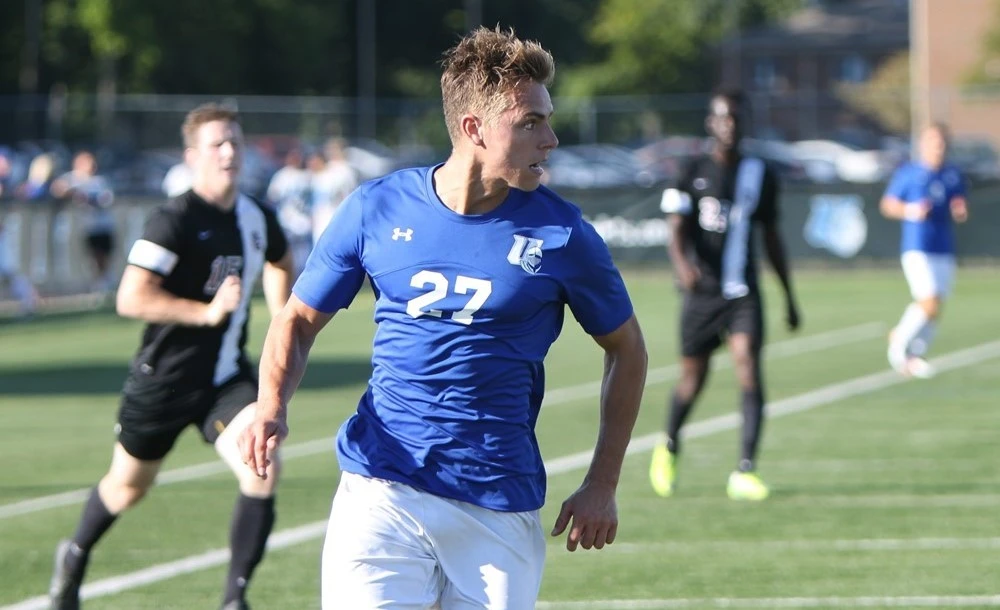
Lars previously combined graduate study with NCAA soccer. That personal experience is an example of a route that was possible in his circumstances, not a formula that determines another player's eligibility under today's rules.
Your university decides whether you meet its master's admission requirements. Athletics compliance separately checks your enrollment and academic eligibility to compete. Admission, a coach's interest and a team offer are not interchangeable approvals.
Full-time graduate enrollment follows the institution's graduate definition. Do not assume the undergraduate twelve-credit figure applies. Any reduced-load or final-term exception needs confirmation for your division and program before you change courses.
Division I and Division II also have different graduate progress requirements. Division I retains a qualifying postgraduate course-credit requirement; Division II has its own graduate exception and academic-standing rules. Ask compliance which courses and credits must be completed each term. The current Division I manual and Division II manual are the governing references.
The initial-eligibility core-course GPA figures of 2.3 and 2.2 concern initial eligibility from secondary school; they are not universal graduate-admission thresholds. Nor should undergraduate percentage-of-degree milestones be used as a master's checklist. Our GPA guide explains the grading terminology, but your program's requirements still need their own check.
Send a complete record of previous college study, including study outside the United States. Include full-time and part-time terms, breaks, degrees, transcripts and playing history. Do not assume that years spent at a European university are irrelevant because you did not play for its team.
If you are changing institutions, confirm the applicable transfer process and academic requirements with compliance. A new coach cannot settle every part of that process. Use the NCAA transfer guidance for your division and transfer route.
A redshirt, injury or previous COVID disruption does not automatically create an extra graduate season. The new model removed several former athletics clock/season waiver routes; limited written exceptions and transition provisions need individual confirmation. Do not build your study plan around an assumed extension.
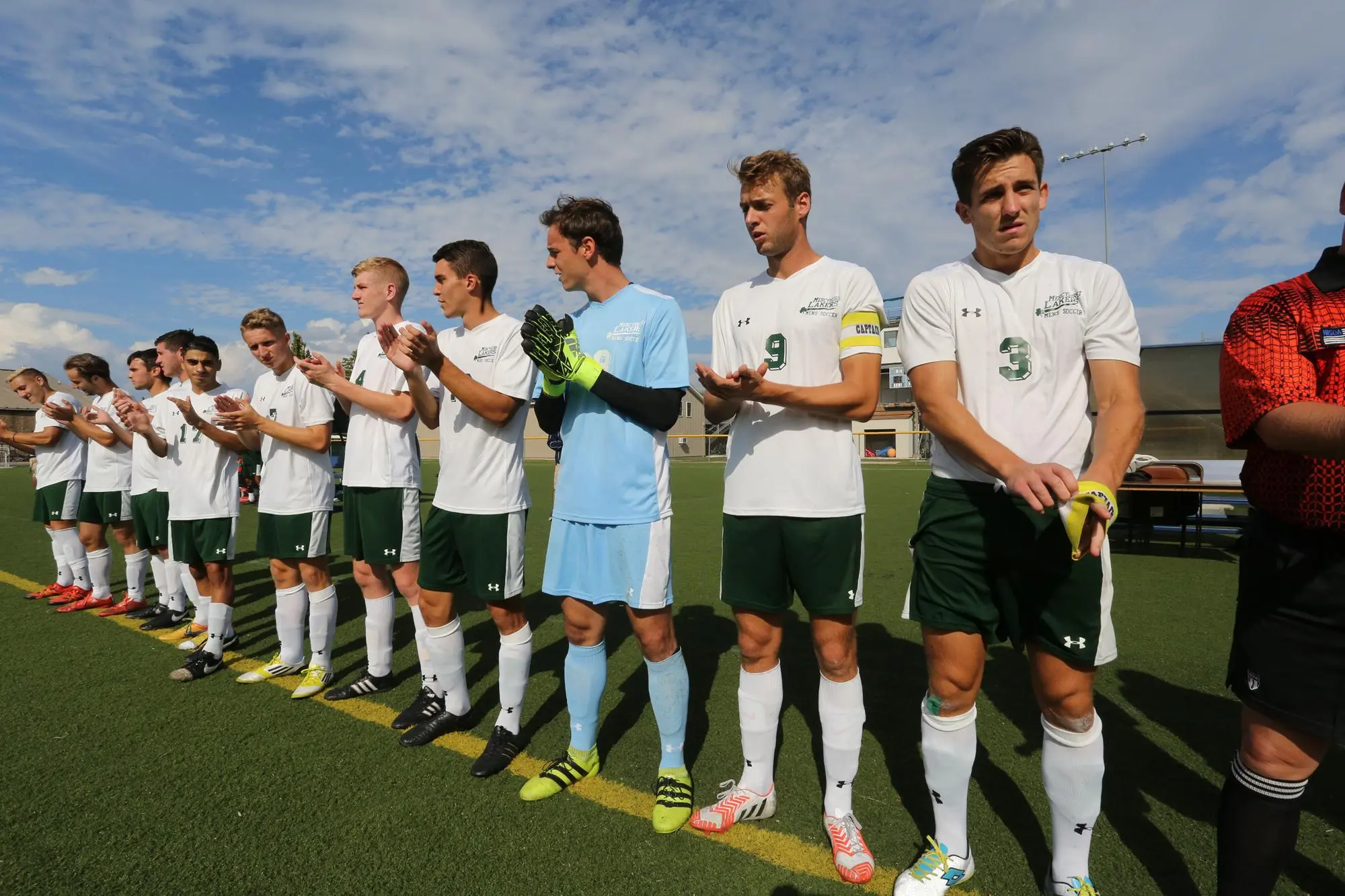
Keep the admissions answer, athletics eligibility decision and funding offer separate. If one is still pending, the whole opportunity is not yet confirmed.
Does graduating give me another NCAA season? No. A degree does not itself extend your athletics eligibility. The applicable rules and your individual history determine what remains.
Can I use an older graduate athlete's timeline as my own? Not safely. Rules, enrollment dates and transition categories can differ. Use it as an example, not a ruling.
Who confirms whether I can compete? The university's athletics compliance office, working with the NCAA Eligibility Center where required. A recruiting conversation alone is not that confirmation.
Plus31 Sports can help you organize the questions around your academic and sporting goals. Start with a First Check, or read about college soccer in the USA. Eligibility and admission still require confirmation by the relevant university and NCAA process.